
Breaking News
Petrol Price Rises Again, Hits ₦1,280 As NNPCL, MRS Outlets Run Dry

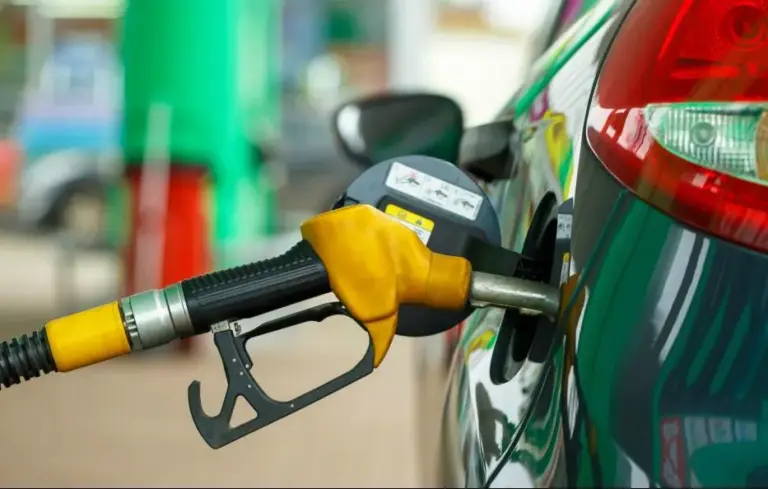
The prices of Premium Motor Spirit (PMS), popularly known as petrol, have risen again across several filling stations in Abuja, with the pump price reaching as high as ₦1,280 per litre.
The latest increase came as retail outlets operated by the Nigerian National Petroleum Company Limited and MRS Oil Nigeria were reportedly out of stock in major parts of the Federal Capital Territory.
Several other filling stations, including Ranoil and Empire, also increased their pump prices by between ₦55 and ₦60 per litre on Monday.
The latest adjustment means that petrol prices at major filling stations have risen by at least ₦100 per litre in less than a week.
Depot owners have also reportedly increased their ex-depot prices, with a litre of petrol selling between ₦1,249 and ₦1,270 as of Monday night.
The development has raised fresh concerns over possible fuel scarcity and further pressure on motorists and other consumers across the country.
Reports from Abuja indicated that several NNPCL and MRS outlets had no petrol as of Monday night.
Two managers at MRS filling stations in the capital, who spoke on condition of anonymity, said their outlets had been without petrol since Thursday.
Fuel attendants at NNPCL retail stations also confirmed that some of their outlets ran out of products on Monday afternoon.
The situation has further increased uncertainty in Nigeria’s downstream petroleum sector, which has been under pressure due to rising crude oil prices, import costs and concerns over the availability of refined petroleum products.
The latest petrol price increase came barely a week after the Dangote Petroleum Refinery reportedly resumed the sale of refined petroleum products in dollars.
The 700,000-barrel-per-day refinery reportedly pegged its petrol gantry price at $0.779 per litre, while diesel was priced at $1.087 per litre and aviation fuel at $0.942 per litre.
Although the refinery maintained that its gantry prices had not changed, some petroleum marketers claimed that product loading at the facility had been suspended.
The development has raised concerns among marketers who fear that the dollarisation of refined product sales could further increase pressure on petrol prices.
The National President of the Petroleum Products Retail Outlets Owners Association of Nigeria, PETROAN, Billy Gillis-Harry, and the spokesperson for the Independent Petroleum Marketers Association of Nigeria, IPMAN, Chinedu Ukadike, attributed the latest price volatility to uncertainty in the global crude oil market and the resumption of refined product sales in dollars by the Dangote refinery.
Gillis-Harry called for urgent intervention by the Federal Government, warning that the latest price increase would further affect Nigerians.
He said the government should not remain on the sidelines while petrol prices continue to rise.
“The Federal Government’s intervention is key. The Federal Government should step in over Dangote Refinery’s resumption of refined products sales in dollars.
“Most of our members are unable to load products in dollars. We don’t want the downstream sector to be dollarised,” he said.
Ukadike also called on the Federal Government to resume discussions with the Dangote refinery and reactivate the Naira-for-Crude arrangement.
He said the move would help marketers access products in naira and reduce the pressure on consumers.
“We support the reactivation of the Naira-for-Crude deal with Dangote Refinery. We want to sell cheaper petroleum products to Nigerians,” he said.
He added, “Some of our members’ stations are closed because we could not obtain products in naira. The Federal Government should resume talks with Dangote Refinery before the situation gets out of hand.”
Although the Dangote refinery has not officially stated why it suspended the sale of refined petroleum products in naira, industry sources have linked the development to challenges surrounding the implementation of the Naira-for-Crude arrangement.
Officials of the refinery, who spoke on condition of anonymity, reportedly claimed that the facility receives about four million barrels of crude oil monthly from the NNPCL instead of the 13 million barrels allegedly stipulated under the Naira-for-Crude agreement.
The development has fuelled concerns over the sustainability of the arrangement and its impact on the availability and price of locally refined petroleum products.
However, the NNPCL denied withholding crude oil supplies from the Dangote refinery.
The company’s spokesperson, Andy Odey, said on Monday that the state-owned oil company had fulfilled its obligations under the arrangement.
Odey said the NNPCL had “allocated 100 per cent of all available naira crude cargoes to DPRP in 2026 — there has been no withholding on our part.”
The Federal Government has yet to publicly respond to the latest increase in petrol prices and the concerns raised by petroleum marketers.
President Bola Tinubu, who also serves as the substantive Minister of Petroleum Resources, initiated the Naira-for-Crude deal with the Dangote refinery in 2024 as part of efforts to reduce the impact of fluctuations in global energy prices on Nigerians.
The last meeting between the Federal Government and stakeholders in the downstream petroleum sector was held in the first week of July.
The meeting focused on the issue of cost-reflective petrol pricing.
However, with petrol prices now reaching ₦1,280 per litre in some locations and some major filling stations reportedly running out of products, industry stakeholders are calling for urgent government intervention to prevent the situation from worsening.







Nigerian Youths Selling Their Kidneys Due To Hardship Under Tinubu Gov’t – Atiku

PFIPC: Court Denies Bail To ‘Fake DG’ Adeyemi, Orders Police To Grant Him Access To Lawyers

They Will Come For My Head If Tinubu Loses 2027 Election – Wike

2027: ‘Our Back Is Against The Wall’ – Opposition Parties Begin Fresh Plot To Defeat Tinubu

Pray For Us, We’re Nigeria’s Problem – Peter Obi Tells Nigerians

US To Withdraw 200 Troops From Nigeria After ISIS Commander’s Killing

‘Police Are The Unknown Gunmen, I’ll Tender Evidence’ – VeryDarkMan Alleges

‘Investigate, Prosecute Me Over $16bn Power Funds’ – Atiku Challenges Tinubu

Sowore, Amaechi Clash At NBA Conference

Nollywood: Tears As Veteran Actor Ogogo Is Laid To Rest

Etisalat Offices in Lagos: Addresses and Contacts

Full List of Air Force Bases In Nigeria

Top 10 Richest Men in Anambra State

Full List of Airtel Stores and Office Addresses in Nigeria

Peace Mass Transit Price List, Terminals, Bookings, And Contacts

Full List of Political Parties In Nigeria and Their Slogan

Full List Of Pentecostal Churches In Nigeria

Uju Okoli Net Worth and Biography – Age, Family, Husband, and Career

Remita Customer Care and Contact Details (Updated)
